Thank Crunchie it’s Friday!
But haven’t Friday’s lost their magic? The days of knocking off work after lunch, early doors down the pub, the frisson of an envelope of cash and “something for the weekend”: Saturdays in town, the market, scoring in The Cups, Sunday lie-in, fry-up and a roast – hurray for the rituals of yesteryear. Now recent events have disrupted routines, and Mon-Fri jobs are increasingly rare, it takes a conscious effort to regain something of that Friday feeling. A generation can lose a tradition.

Memento Mori is a latin phrase resurrected in the seventeenth century by skeletons and skulls worn as fashion accessories; their significance being to remind the wearer of how tempus doesn’t half fugit and to get a wiggle on with carpeing the diem. In this post-truth, relativistic age where elder-hood is often hidden away behind smelly, magnolia painted walls and youth gives it very large most everywhere else, our inevitable demise seems somewhat removed, harder to place within life’s immutable rhythms.
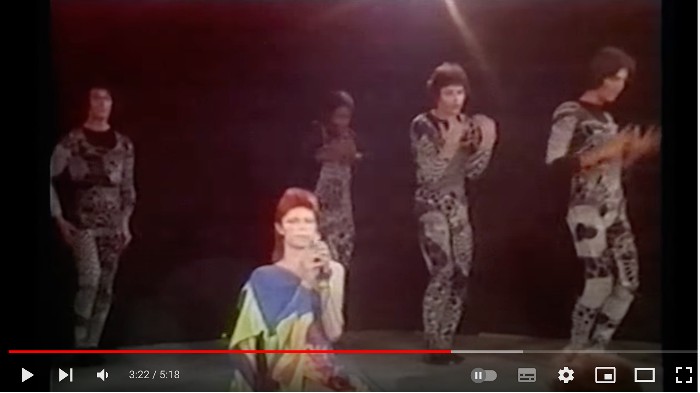
Of course values, cultures and fashions change (skeletons deffo’ not a good look of late), but why shouldn’t our collective take upon time be consistent? after all, from our narrow perspective, the sun rising and setting is one of life’s few constants. In our haste for modernity do we risk losing much of that which has previously defined us?

But Heidegger made an interesting point about how we live in an ongoing state of becoming; how our unique potential is realised each and every living moment, as every day brings new opportunities and learnings. The experiences and realisations that go to form who we are come in relentlessly, until they don’t. So only upon death do we have the final and fullest picture of what it was all about and who we are/were, a brief moment to realise life’s totality before it fades forever.

Observing the passage of life has figured in every human culture and precipitated most of its greatest artefacts, so isn’t it strange how quickly it now slips away from us leaving only a sense of there never being enough.
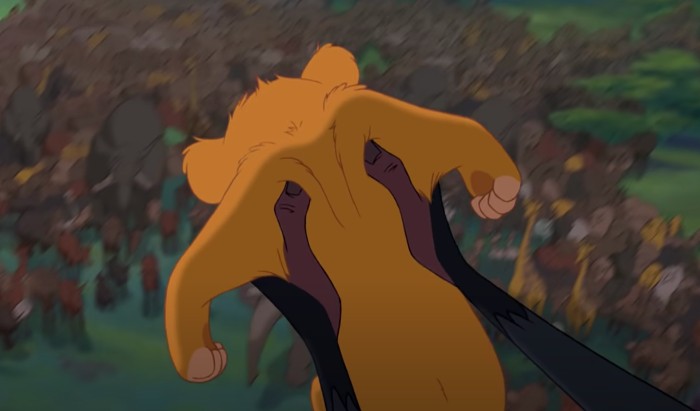
It’s the circle of life
And it moves us all
Through despair and hope
Through faith and love
‘Til we find our place
On the path unwinding
In the circle
The circle of life
Lion King
Graveyards fall into neglect, headstones if set, are chosen from catalogues, treasured belongings remain top side, and the ancient seasonal celebrations are overlooked or replaced: Lammas, solstices, and May Day superseded by Safer Internet Day, National talk like a pirate day and National chip week (Oh my Cod!). Of course the beliefs underpinning many of the traditional ones might be questionable, yet in forgetting ancient calendar events I wonder we don’t also risk losing valuable contributions to our society and humanity. Observances, natural rhythms, ancient practices, shared beliefs and knowledge, are our context and so arguably part of our identity. The context and fabric of our lives is cast into shadow by the light from little screens; modernity seems to be eroding our families, communities, institutions and culture and with it the meaning of our lives.
Our new Constitution is now established, and has an appearance that promises permanency; but in this world nothing can be said to be certain, except death and taxes.
Benjamin Franklin
Having children, ageing and burying loved ones are poignant reminders of how, like a river, time flows in just one direction, irrigating entropy along the way. The descendants we create will perish along side us and that’s hard to grasp; but in the context of countless generations?
A time to be born and a time to die.
Ecclesiastes 3.1-8
A time to reap and a time to sow
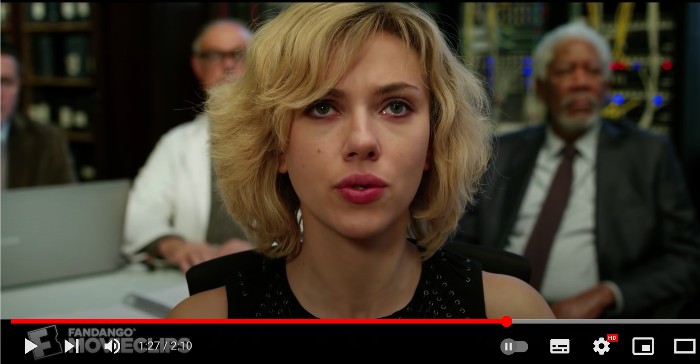
Realising our place in the chain of life lends perspective as well as context and meaning at a time when attention spans are measured in seconds. Luc Besson explored something similar with a great conceit in ‘Lucy’.
So how to live in the face of mortality and modernity?
Though the question can be dismissed as morbid, it can also inspire. Perhaps life is enriched by being infused with ceremonies. Greeting each day with a sense of fleeting wonder, pondering the significance of what we do in the context of eternity and minding our ancestors and our own inevitable place at their table; perhaps amongst all the convoluted repetition, Heidegger shared a profound insight in Being and Time.

Other posts have explored similar themes, though perhaps with fewer, disparate references; time then to shuffle on or off and appreciate the view.
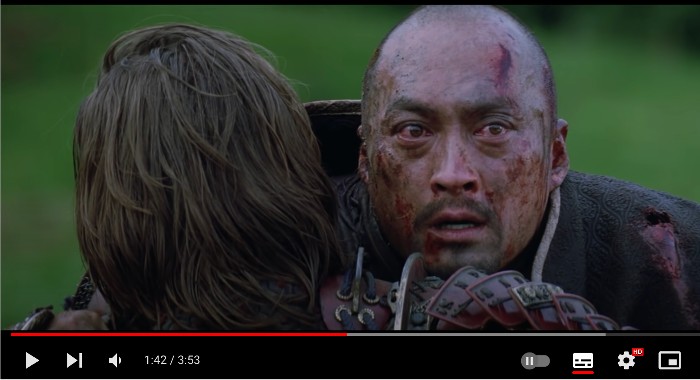


 Something about boys