From a western background, yoga’s fourth limb can be unfamiliar as it involves universal life energy and turns toward eastern mysticism. So to understand the significance of breathing, especially in Hatha yoga, it helps to know yoga’s perspective on the cosmos and the human condition.
Yoga is an ancient and widespread tradition with many lengthy studies and treatises, but so getting to grips with pranayama from where I’m at will be sketchy and superficial, but on the plus side it should fit into a blog post. For a more informed read I’d recommend Tony Briggs’ article referenced at the end, as his ‘pranic’ journey has stretched over half a century.
Thanks to my yoga teachers Ruth and Jo and the yogis and content creators credited at the end.
“Traditionally, though, the practice of pranayama—releasing and channeling the body’s stores of internal pranic energy—has been seen as the core of hatha yoga practice. Pranayama is meant to nurture a high level of bodily health and mental clarity, both of which are crucial steps on the path to self-knowledge and a wholesome, authentic life.“
Tony Briggs – Breathing lessons, Yoga Journal
Prana is considered the life force or vital energy that animates living things and leaves them when they die. It is present everywhere, but is believed to infuse animate more than inanimate objects e.g. rocks. Similar concepts can be found in other ancient traditions, such as Chinese chi or qi, Sufic ruh, and Greek pneuma.
Prana is believed to flow through channels (nadis) in a circulatory system around the body that connects the organs and energy centres (chakras) located in the head and along the spine. This system is separate, but similar to the one formed by the blood vessels. Yoga teaches that the way to stimulate and circulate prana is not so much through practising postures (asanas) as by regulating the breath and focusing the mind.
That (āsana) having been perfected, regulation of the flow of inhalation and exhalation is prāṇāyāma.
English translation of Patanjail’s sūtra 2.49
We know that our breathing changes according to our physical, mental, and emotional condition and vice versa. With breath and physiology sharing a two-way connection, an obvious question is what is the extent of that connection? Despite stories of some yogis fasting for long periods, sustained only by prana, and that good pranic flow can extend life, I can’t find the supporting evidence, but that’s not to dismiss other claimed effects.
Awareness of Pranayama usually begins by synchronising inhalations and exhalations with moving between and through asanas, such as sun salutations (surya namaskar). Particular breathing techniques, like those listed below, naturally follow as asanas extend and deepen. Practising Pranayama on its own, typically begins with a comfortable prone position such as easy pose or shavasana, before moving to a seated, more dynamic and meditative posture (sukhasana, padmasana/ardha padmasana, lotus/half lotus). With the body conditioned to be still by the asanas and the mind similarly quietened through breathing, it is believed that the the pranic energy can be liberated to flow sequentially through the chakras from the base of the spine to the top of the head. I can’t say that after eighteen months of practising pranayama that I can feel such a thing going on – the opening or piercing of each of the seven chakras to liberate the divine feminine energy (Shakti) within etc. But I can say is that just as the asanas have conditioned my body to move and breathe with great focus and little thought, so pranayama and meditation have toned my mind so that now after just a few breaths I can quickly feel to be in a trance like state. It’s really relaxing and a little bit strange.
Stepping away from one’s usual, subjective experience of consciousness, the familiar broadcast of loosely related thoughts strung together by process or association, into a much more focused, emptier, yet more complete and aware state of mid takes some getting used to. I find coming back to the breath most useful when facing such potentially disorientating experiences. Breathing is not something I now take for granted. Practising pranayama has added layers of meaning and experience to the everyday.
Yoga offers a systematic, holistic, accessible, practical and commonsensical framework for development and the skills one finds with practising the asanas are relevant for exploring the breath: patience, repetition, exploration and discipline.

The five main types of yogic breathing –
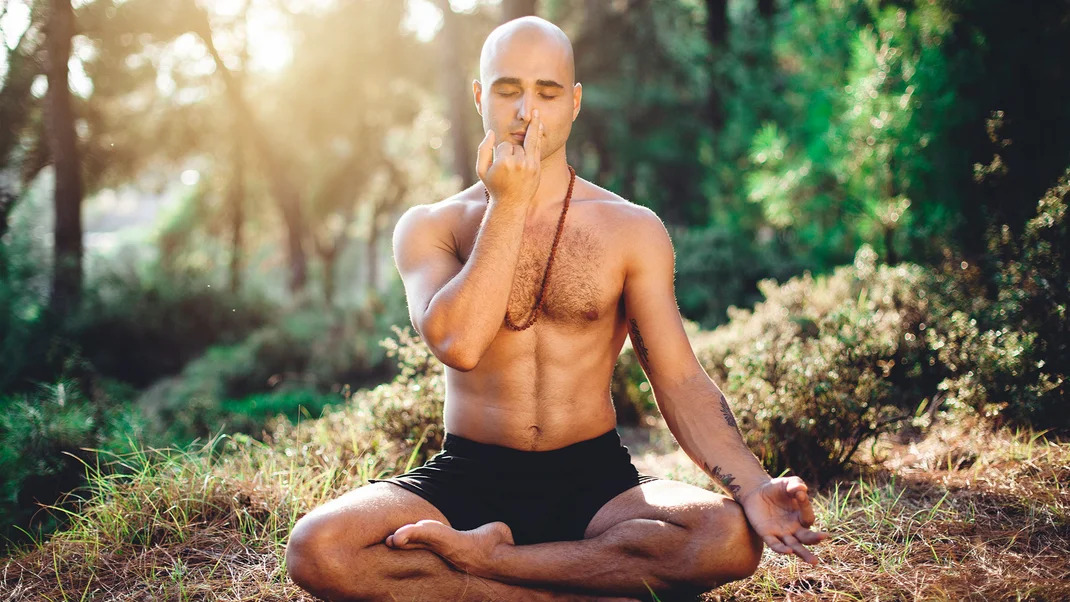
- Nadi Shodhana: also known as “alternate nostril breath”
This technique involves alternating the breath between the left and right nostrils, often using the thumb and ring finger to close one nostril while inhaling or exhaling through the other. This type of breathing is said to balance the energy channels in the body, reducing stress and anxiety and in preparation for meditation. - Ujjayi breath: also known as “victorious breath”
This technique involves inhaling and exhaling through the nose while constricting the back of the throat, creating a soft hissing sound. This type of breathing is often used in vinyasa yoga to help regulate the breath and increase focus and awareness. - Bhastrika: also known as “bellows breath”
This technique involves rapid, forceful inhales and exhales through the nose. This type of breathing is said to increase energy and heat in the body, and is often used to prepare for more advanced pranayama techniques. - Kapalabhati: also known as “skull shining breath”
This technique involves a rapid and forceful exhalation, followed by a passive inhalation. This type of breathing is said to clear the mind and energise the body. - Sitali: also known as “cooling breath”
This technique involves inhaling through the curled tongue or the space between the teeth and exhaling through the nose. This type of breathing is said to cool the body and reduce anger and irritability.
ChatGPT
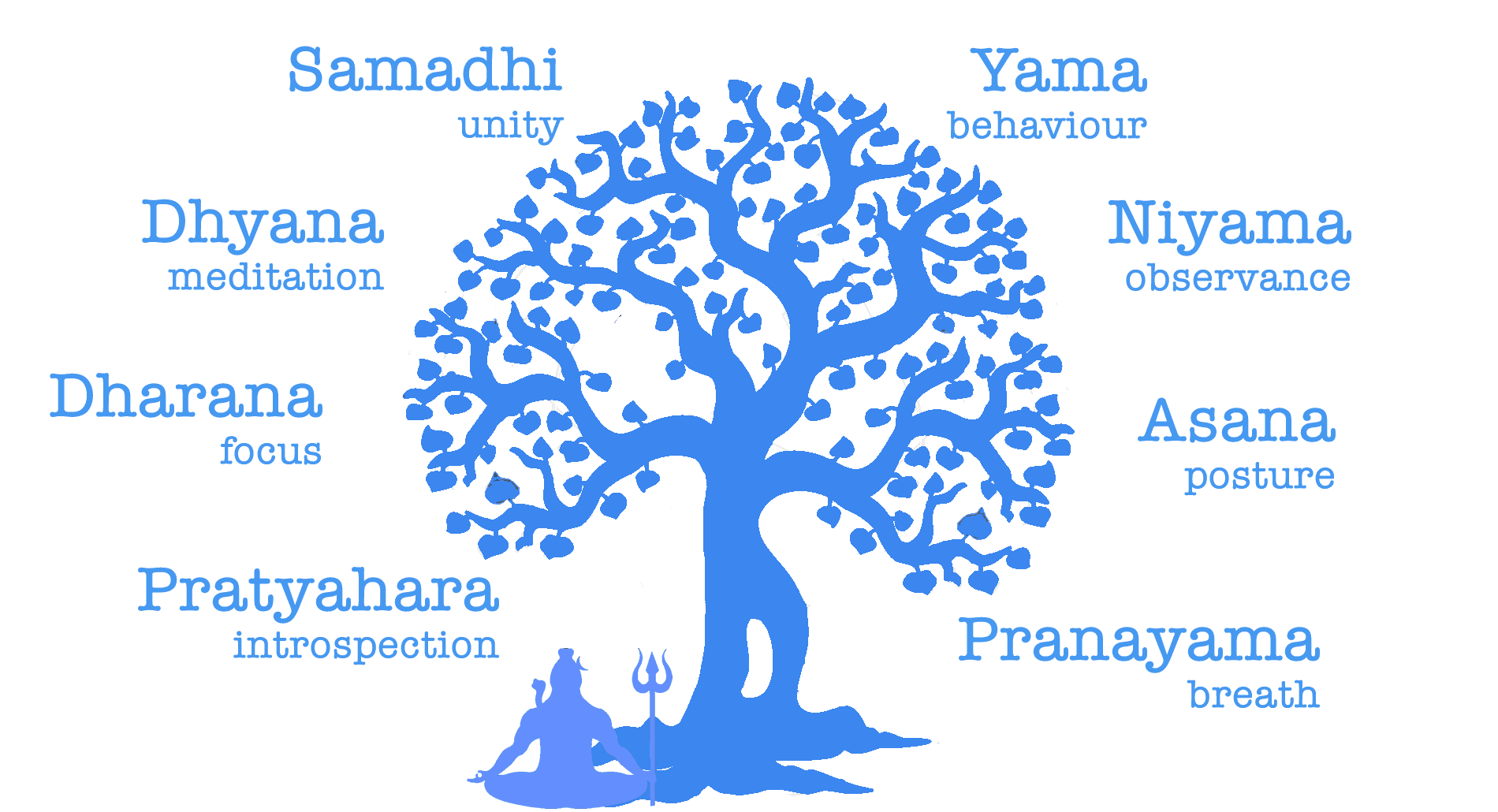
If the asanas are preparing the body to sit for prolonged periods of meditation, pranayama introduces a dynamic stillness and balance. Being relatively new to prana, I’ll pause here to practise before starting on the fifth instalment in this series about yoga’s eight limbs. That’ll be about pratyahara (introspection) and might take some time, so don’t hold your breath 😉
References and credits: –
The 5 pranas and what they do – a talk by Geetha Kanthasamy
Regulating one’s energy – a talk by Dr. Hansaji Yogendra
The beginners guide to Nadi Shodhana – article by Emma Loewe
The science and health benefits of Yogic breathing – TedX Talk by Sundar Balasubramanian
The Complete Illustrated book of Yoga – Swami Vishnu Devananda
Comprehensive article in the Yoga Journal about pranayama and how to do it – Tony Briggs


 Something about boys
Pingback: Eight limbs of yoga – 5. Pratyahara – Introspection | Something about boys