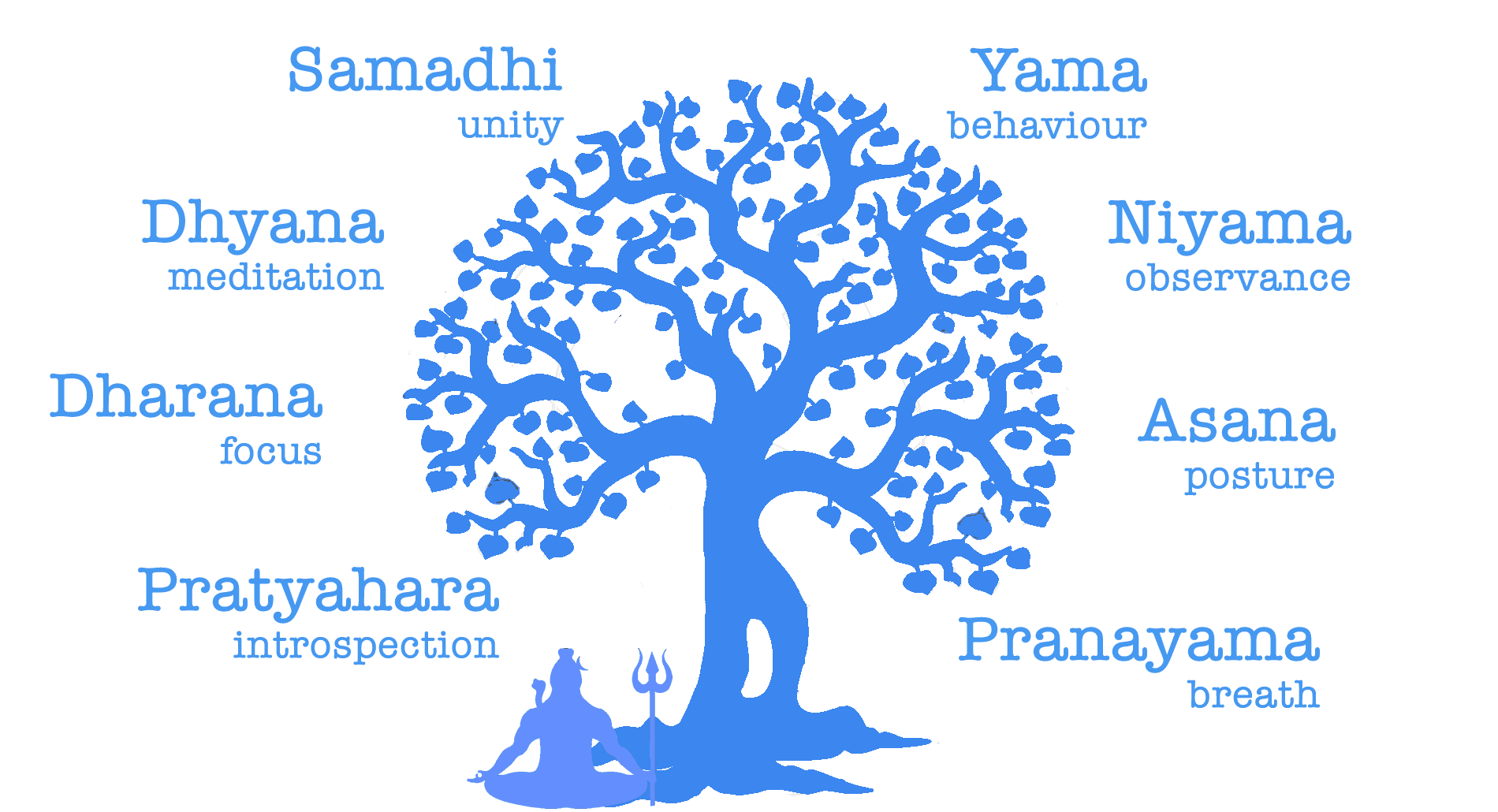
The term is derived from two Sanskrit roots: prati meaning “against” or “withdraw”, and ahara meaning “food” or referring to anything we take in from the outside. As such, pratyahara can be understood as gaining control over or withdrawing from any external influences.
Yogapedia
The first four limbs of yoga outline a moral lifestyle and physical practice aimed at raising energy levels and conditioning the body to sit quietly for long periods of time. But what’s meant to happen when the body and mind are sitting still and quietly focused?
A previous post about the fourth Niyama (yogic “Dos”) carried this quote which also seems relevant to Pratyahara –
Yoga is the journey of the self, through the self, to the Self.
Bhagavad Gita
Thanks to my yoga teachers Ruth and Jo (especially with this one), and the yogis and content creators credited at the end.
It’s hard to know how similarly our minds work, the differences between our mental experiences, but this strikes a chord –
The mind is like a butterfly, always changing and never settling. But when we learn to observe it without judgement or attachment, we can begin to see its true nature.
anon
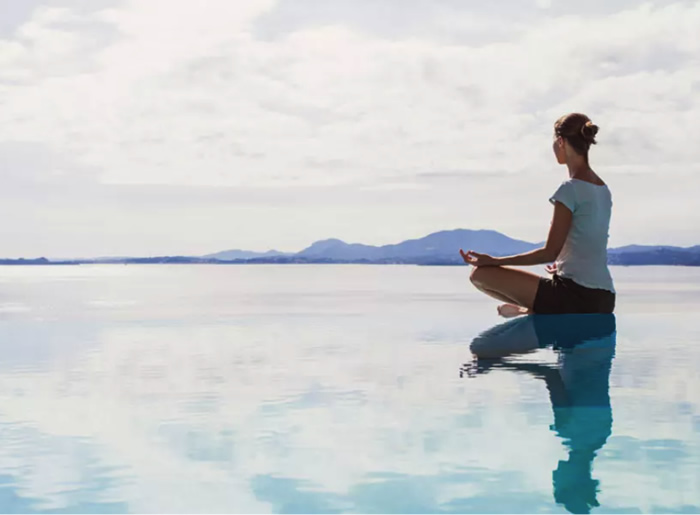
As introspection can be practised sitting (ardha padmasana – half lotus), lying or in some other asana, it needn’t ask much of the body. That said, progress is proving tricky; I guess butterflies aren’t known for their stable flight.

While attending a yoga class is sociable and routine, making time for mindful mindlessness is harder. Perhaps because, more often than not, it’s a solitary pursuit. I don’t often find, “Now I will meditate,” sliding into the PowerPoint presentation about random shit that runs in my head.
Progressing from the physical stillness of shavasana to the mental stillness required for introspection can be helped by having some company or external prompt. With the mind bouncing from one fleeting, unintended thought to the next, with memories, connections, ideas, sensations, and concerns rising and submerging unbidden and unmanaged, one’s head can resemble more of a jungle than a garden.
In 2005, the National Science Foundation published an article summarizing research on human thoughts. It was found that the average person has about 12,000 to 60,000 thoughts per day. Of those thousands of thoughts, 80% were negative, and 95% were exactly the same repetitive thoughts as the day before.
tLEX institute
All the limbs of yoga seem to require discipline, but that required to corral the monkey mind seems to be qualitatively different and in need of study (Svadhaya – fourth Niyama), to cultivate, and again, lots of practice.
Measured breathing (Pranayama – fourth limb) is often taken as the first step, as it offers an anchor to gently return attention back to the mindless physical sensation of air flowing in and out of the body after a wave of thoughts tug it away. But there are other techniques such as gazing at a single point (drishti), noticing the ground beneath or, as the video below suggests, focusing on bhakti (loving devotion). Something I’ve noticed is how I now slip more quickly into a quiet, relaxed state. My body and mind presumably having learned to achieve something similar to the Relaxation Response.
It’s interesting to consider what remains or is revealed after the chatter quietens down. Maybe it’s different for everyone. I experience a sensation or connection with something that seems at once both everything and nothing, a calm, supportive, silent, dynamic stillness, a timeless, limitless, serene expanse. If anything can be said about existence/eternity/divinity, that it’s easy to describe isn’t one of them.
I don’t know if that experience approaches the transcendental, Chitta consciousness, or even hints at Samadhi (unity – eighth limb), but it is fascinating to explore and deeply relaxing. In the context of the cosmos it’s hard to find anything of significance in our heads. But if you are a seeker, maybe that’s not the place to look.
Again I’m struck by how yoga is a path toward realising one’s full self. A holistic approach to uniting body, mind and spirit by opening chakras or better integrating our constituent parts. I’m looking forward to learning about the next limb (dharana – focused attention) and bringing that into life.
One caveat –
Being new to the non asana aspects of yoga, these musings are likely awry 😉
Namaste
References and credits: –
https://en.wikipedia.org/wiki/Pratyahara


 Something about boys
Pingback: Lent: Feb 22nd – Apr 6th | Something about boys