It rained last night, though not enough to energise the plants that should by now be springing to life. The climate changes, and though the old hands remember frosts in May, this week the overnight temperature will likely average eight degrees.
As Eastern England moves from climate zone 9b to 10b, beans and potatoes with their shallow roots will likely thirst. The weather changes to match our dry sense of humour and in the process disrupts our traditional cuisine. We must adapt as we always have.
East Africa, the cradle of humanity, has periodically shifted between a lush and arid climate over the past five million years, and adapting to this changing climate is thought to have contributed to our cognitive development. Adaptation then is in our nature.

So what’s to be done when drought prematurely bolts the brassicas?
The doctrine of no dig with its tenets of not disturbing soil structure and mulching preserves natural pores in lower soil levels and offers a “skin” of organic matter, both of which help to retain moisture. Membranes which lie on the soil surface with cuts to allow plants to be planted through can also help by creating a buffer zone of trapped air that reduces air flow and so evaporation.
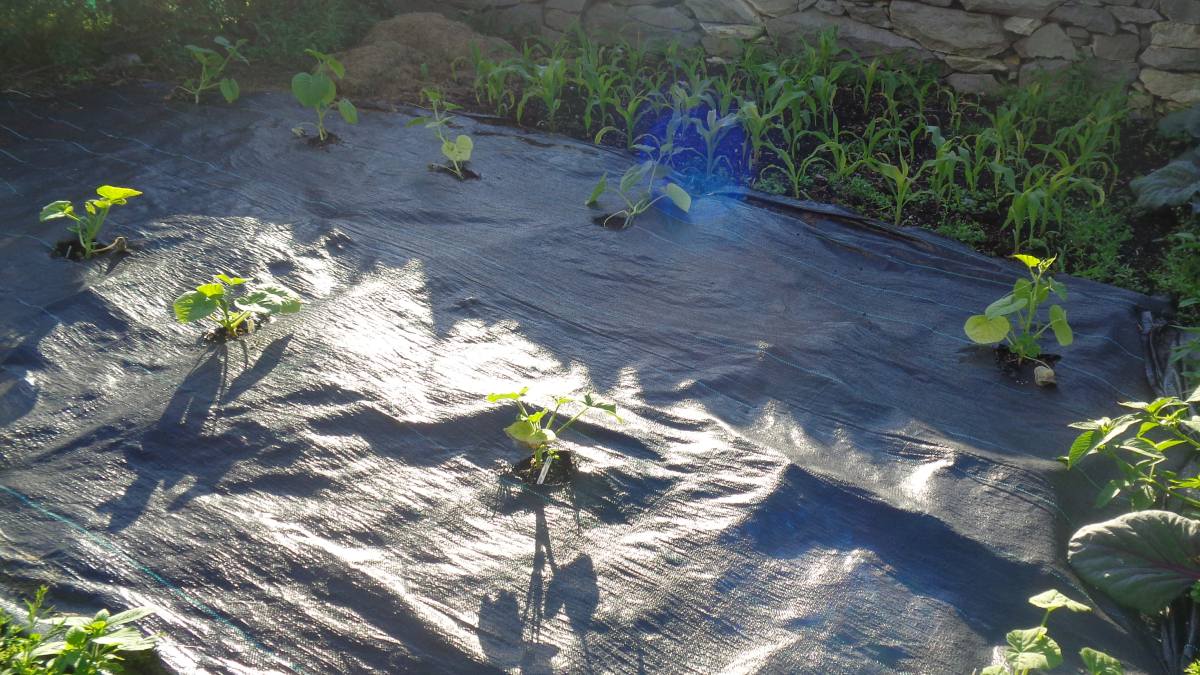
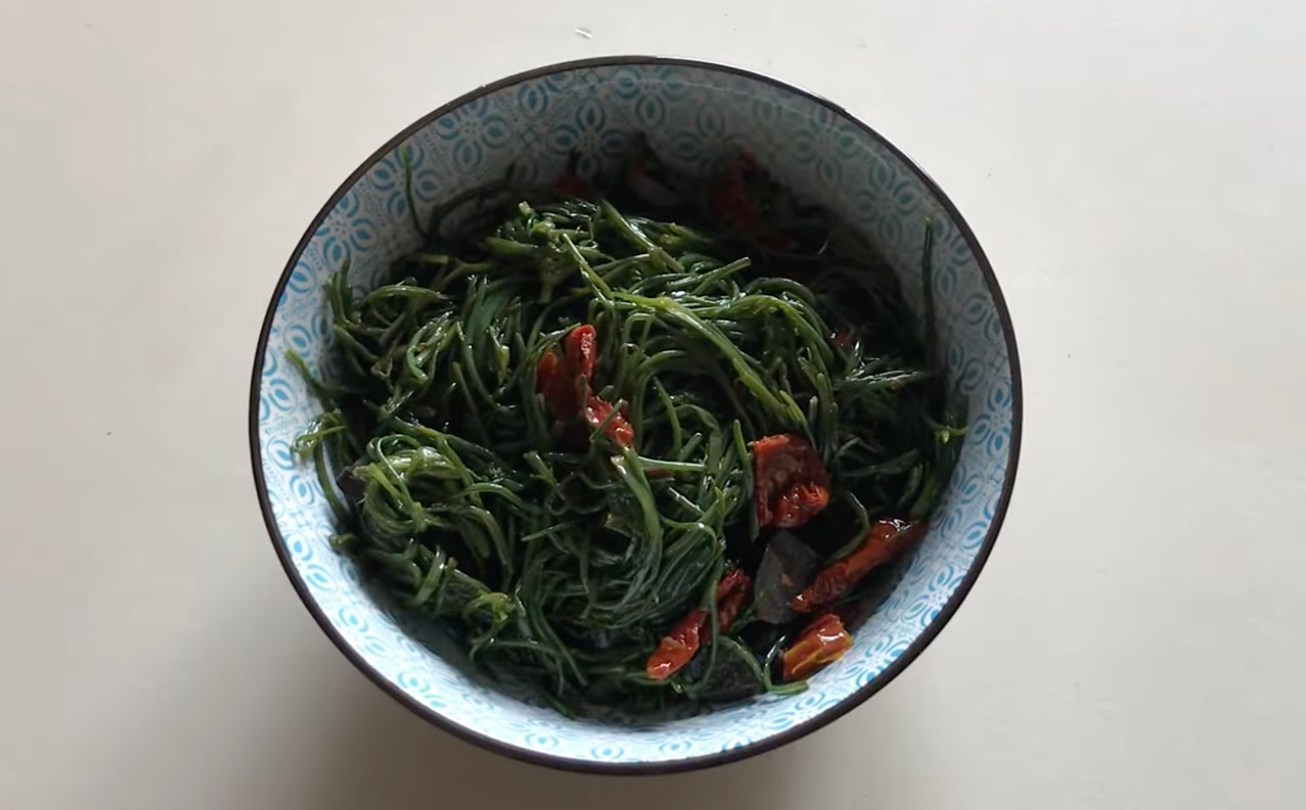
Then there’s the option of planting more drought resistant crops such as those cultivated around the Mediterranean. Potato tubers stop growing above 21°C, whereas sweet potatoes thrive in higher temperatures. Climbing bean varieties such as Cobra, Neckargold and Blue Lake, can also withstand protracted dry spells. Plum tomatoes, courgettes, asparagus, the versatile Good King Henry, and squashes with their deeper roots can reach further underground for water. And finally the drought- tolerant succulent agretti or Friars beard is an annual shrub similar to samphire that seems to like the light soil here and edges us further towards a Mediterranean garden and cucina.